What distinguishes the measurement requirements in bakeries from snacks?
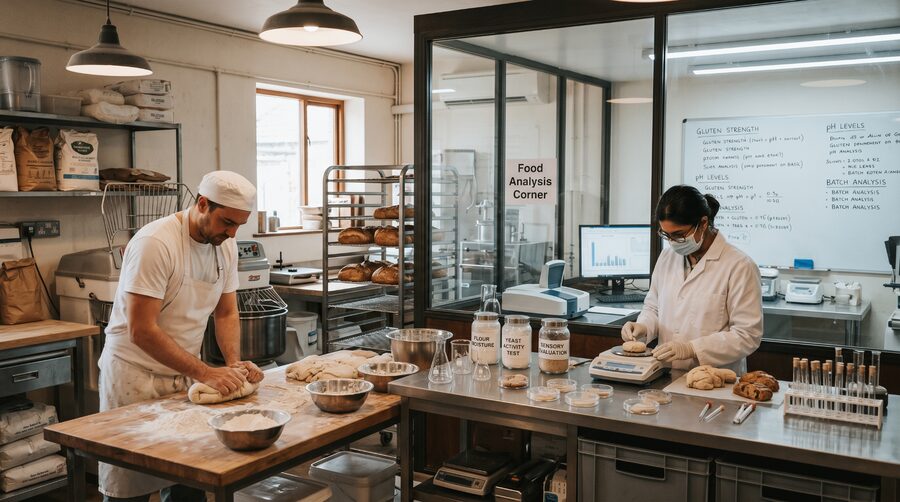
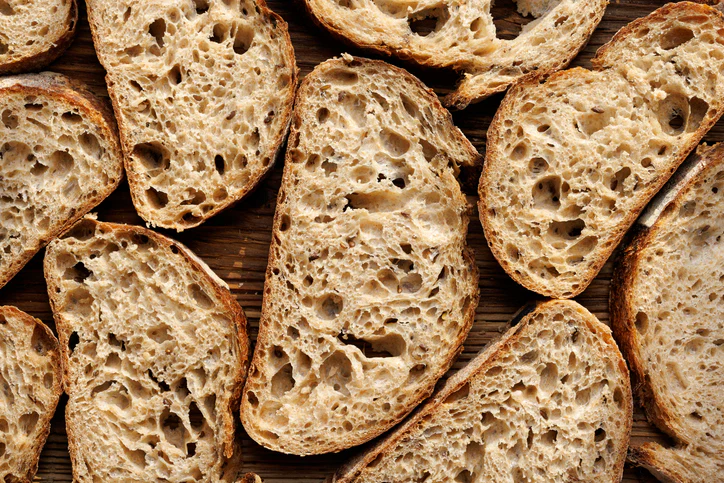
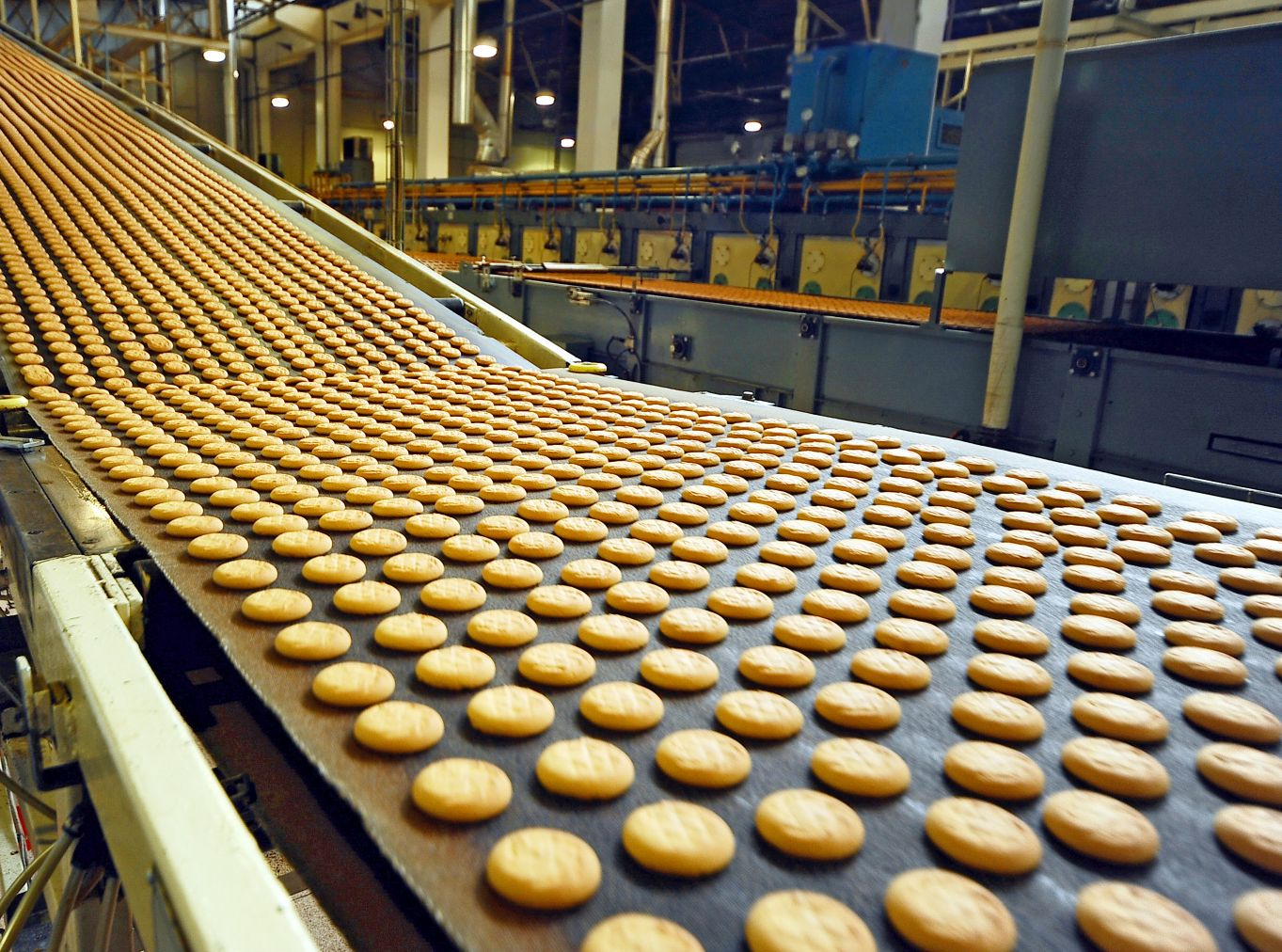
In bakery, it is the behaviour of the dough and flour that determines the final product: water absorption, gluten strength, fermentation stability and starch retrogradation. Here, rheology and fermentation analysis (Mixolab, Alveolab) is central. In snacks, the process is more continuous and recipe formulation is governed primarily by key components — moisture, fat and protein — where on-line NIR provides rapid feedback directly in the flow.
Why are rheology and fermentation so important in the bakery?
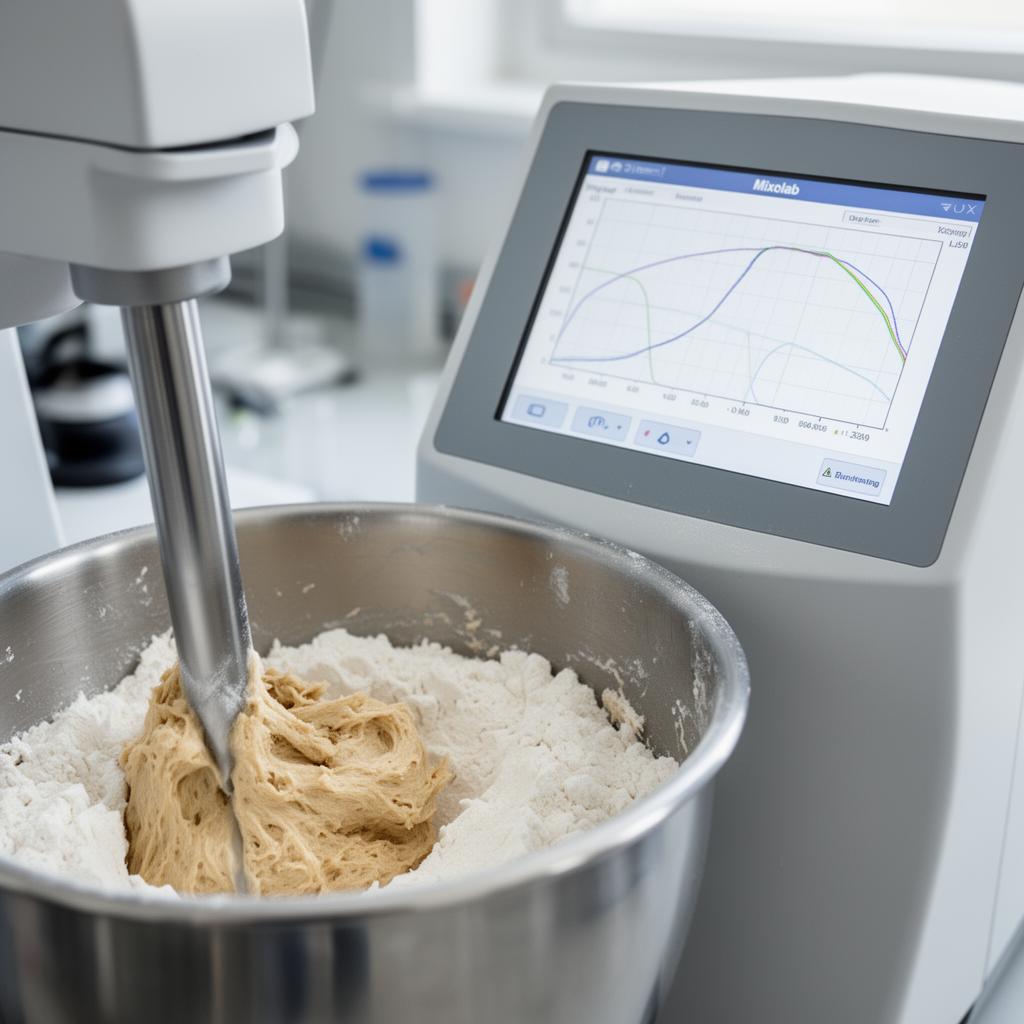
The rheological properties of flour vary between harvests and suppliers. Mixolab simultaneously measures water absorption, dough stability, gluten quality and starch behaviour throughout the entire baking cycle; Alveolab measures dough extensibility and elasticity. Together they provide the basis for flour purchasing, recipe adjustment and stable fermentation, before the dough enters the oven.
Why is the focus on moisture, fat, and protein in snacks?
In snack production the recipe and process are generally fixed; what varies are the key components in raw materials and finished product. Moisture governs shelf life and texture, fat governs cost and nutritional declaration, protein governs nutritional claims. On-line NIR in the line provides continuous feedback so that the operator can make adjustments within the same batch.
Can a bakery also benefit from NIR, or a snack producer from rheology?
Yes. Bakeries use NIR at goods-in to verify flour deliveries against specification, and where needed for moisture and protein in finished product. Snack producers working with cereal-based extruded products benefit from rheology to understand raw material behaviour. We configure the system based on your product portfolio and measurement points.
How are the instruments calibrated against our own laboratory method?
Initial calibration is performed against reference method (ISO 12099 for NIR, AACCI/ICC methods for rheology) plus your own laboratory method on actual production samples. Separate calibration models per product type — biscuits, crispbread, flakes, snacks — allow the same instrument to serve a broad portfolio. Re-calibration is scheduled according to the service contract.
How do KPM Mixolab and Alveolab compare to Brabender equipment?
The Brabender Farinograph, Extensograph and Amylograph are the classical instruments in dough rheology and generate the same types of measurement data: water absorption, dough strength, extensibility and starch behaviour. The KPM Analytics Mixolab consolidates several of these measurements in a single run according to ICC 173 / AACCI 54-60, and the Alveolab is a modern development of the Chopin alveograph for extensibility and elasticity. We configure according to the traditional methods you already follow.
What do you offer for moisture content and halogen/sulphur in raw materials?
For water content in fats, oils and dry ingredients the Nittoseiko KF-51 Karl Fischer titrator is used. For halogen and sulphur traces in packaging materials, spices and additives the Nittoseiko AQF/NSX pyrohydrolysis + IC is used. Both are serviced in the Nordic region by Labsense.