
Nittoseiko
Halogen and sulphur analysis in electrolyte, separator, and cathode binder. The AQF-5000V combines combustion and ion chromatography, while the NSX-5000V provides rapid XRF screening.
See the Nittoseiko portfolioThree workflows for battery cell manufacturing and recycling: halogen and sulphur analysis of electrolyte and separator (Nittoseiko), mercury analysis of raw materials and black mass (NIC), as well as fusion and microwave digestion of cathode powder for XRF and ICP (Katanax, Nabertherm, Preekem).
Describe your facility
We cover cell chemistry, raw material quality, and recovered black mass with the same core portfolio as in heavy industry, adapted to the EU Battery Regulation and ICH/ISO traceability requirements.
F, Cl, Br and S in LiPF₆-based electrolyte, polymer separator and cathode binder via combustion and ion chromatography (AQF-5000V) or X-ray fluorescence (NSX-5000V). Basis for halogen declaration according to EU 2023/1542.
Dedicated instruments for low levels of mercury in Li-, Ni-, Co-, and Mn- raw materials, as well as black mass from recycling. Traceable calibration for declaration against Battery Regulation limits.
Fusion of NMC and LFP powders before XRF quantification (Katanax X-300/X-600 + Nabertherm). Microwave digestion of cathode materials and black mass before ICP-OES or ICP-MS (Preekem WX-8000). Reproducible sample preparation is a prerequisite for stable calibration.
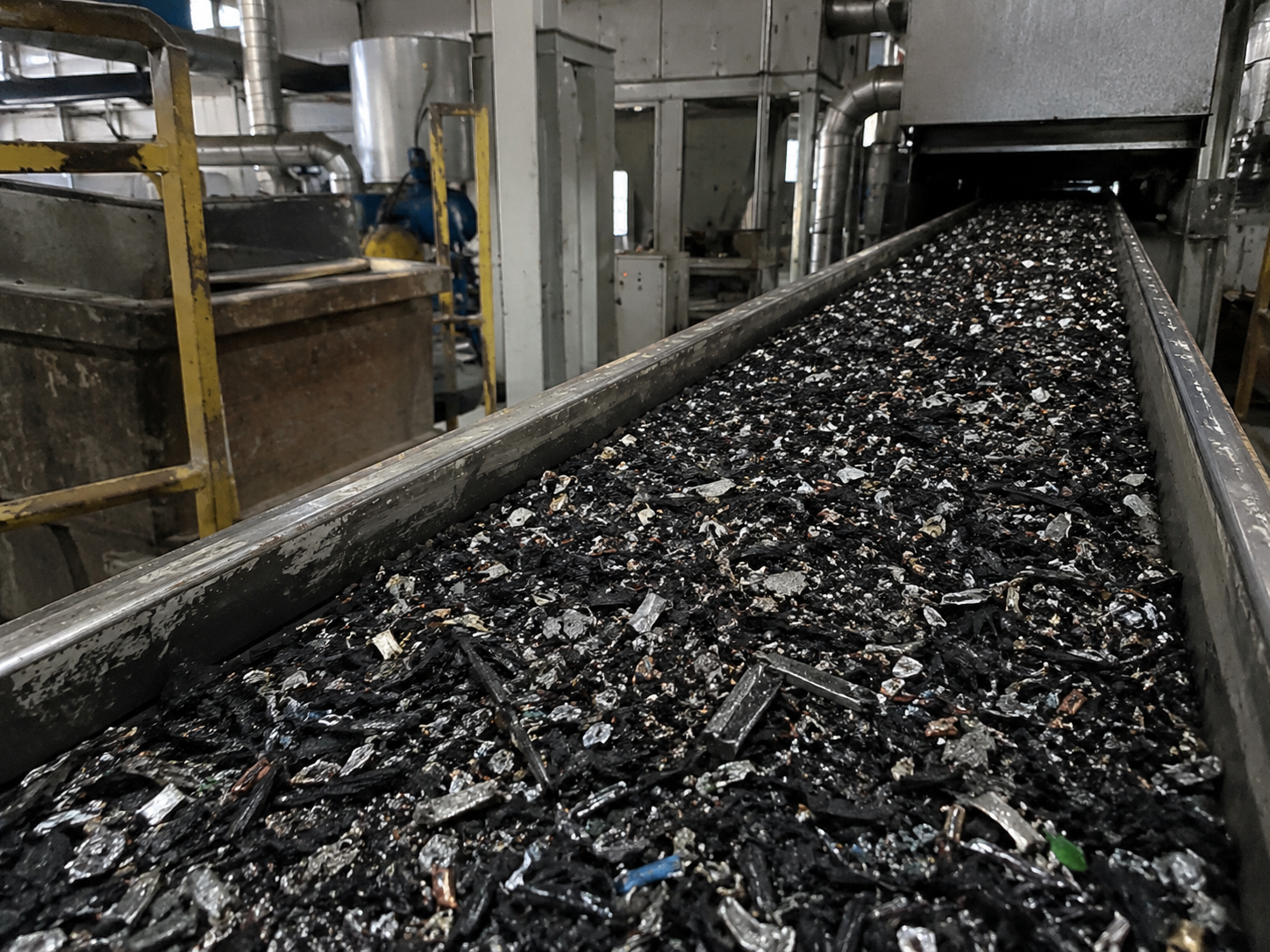
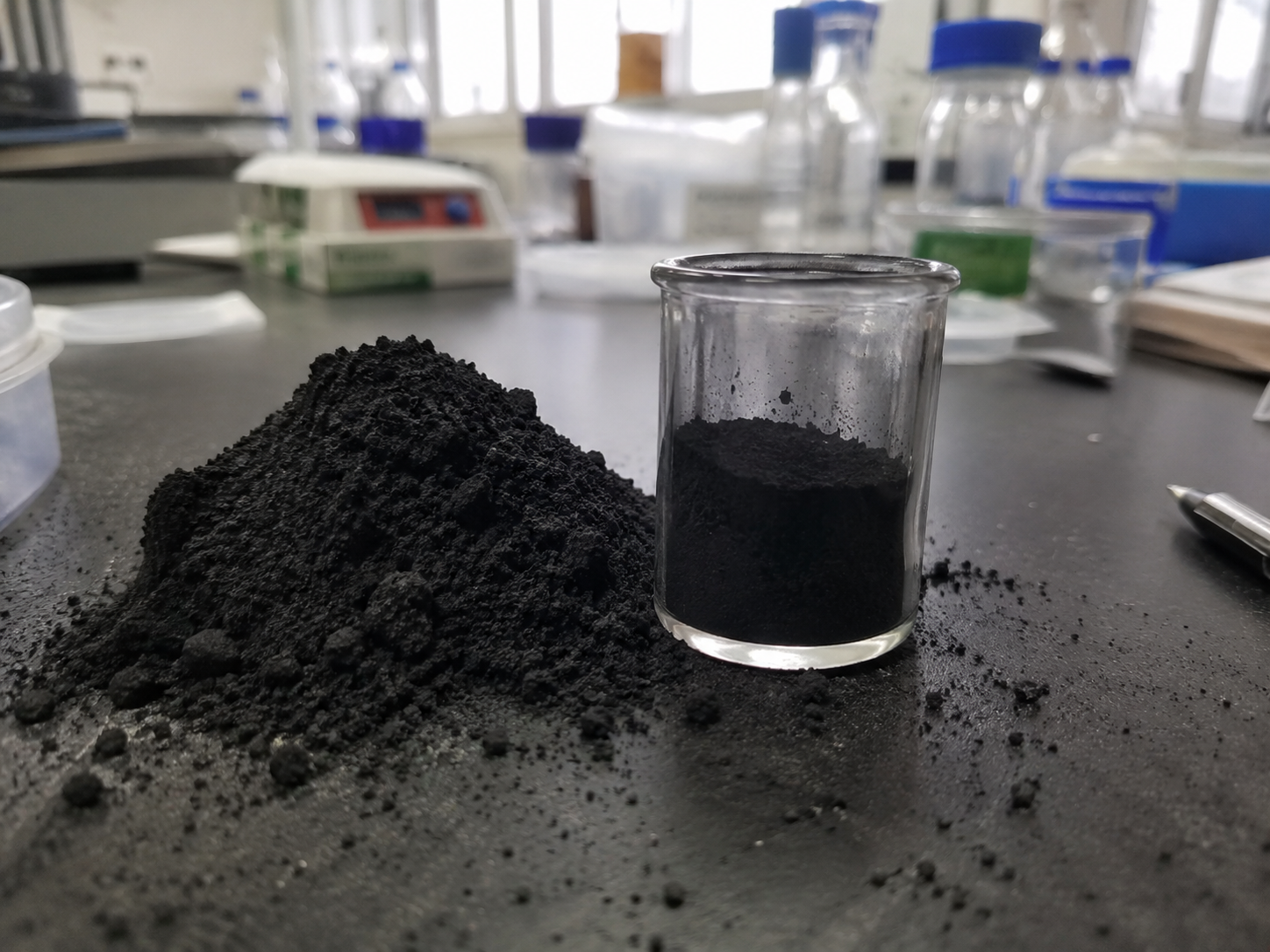
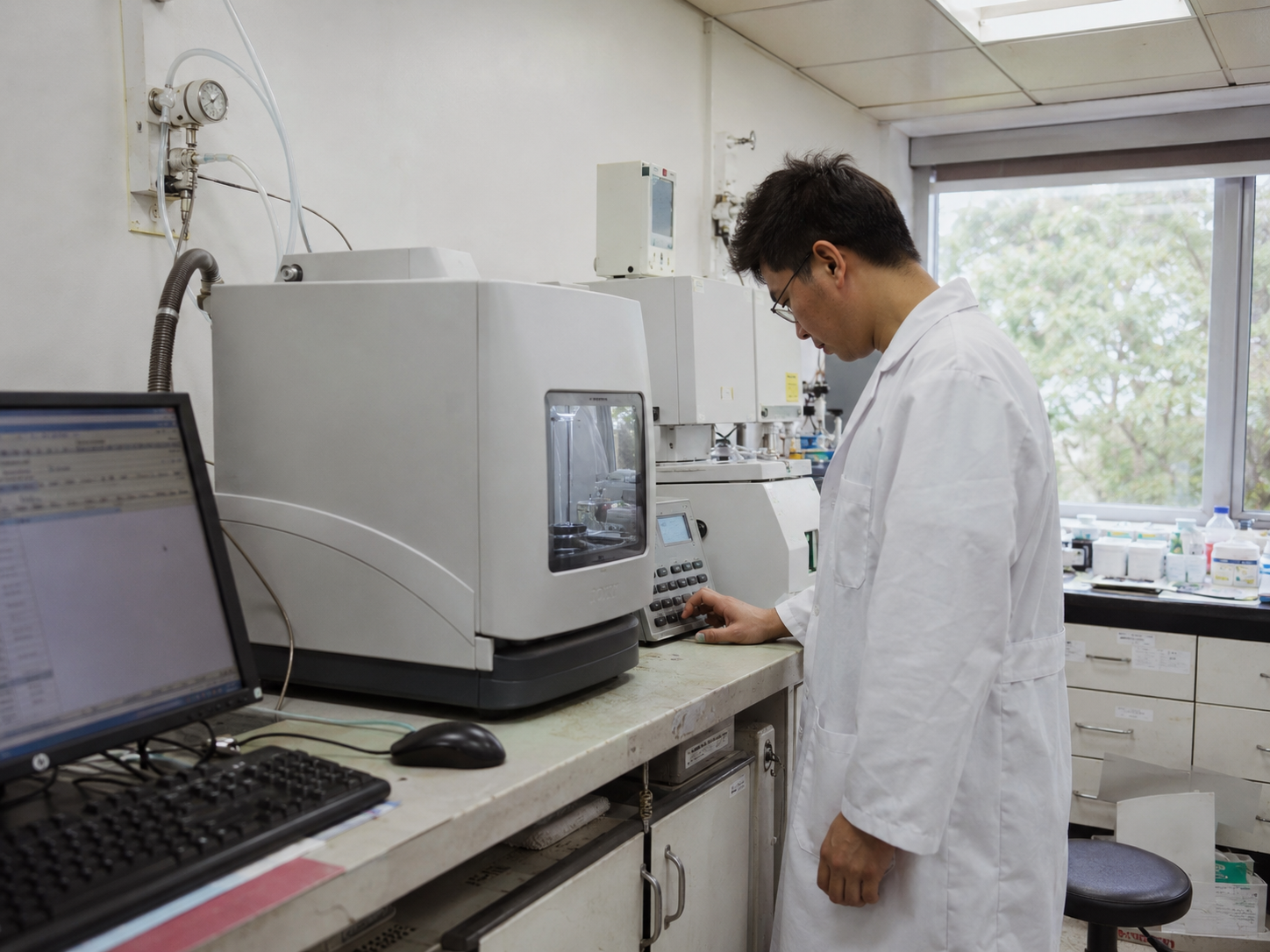

Five manufacturers from the portfolio together cover cell chemistry, raw material control and recycling. The same instruments already in use in Nordic process industry, application-tailored for battery cell chemistry.
Halogen and sulphur analysis in electrolyte, separator, and cathode binder. The AQF-5000V combines combustion and ion chromatography, while the NSX-5000V provides rapid XRF screening.
See the Nittoseiko portfolioMercury analysis in raw materials and black mass. The MA-3000 and RA-7000A are used where low detection levels and traceable calibration are required for regulatory reporting.
See the NIC portfolioAutomatic fusion digestion of cathode powder (NMC, LFP) for XRF. The X-300 and X-600 produce reproducible glass beads with low operator dependency.
See the Katanax portfolioMicrowave digestion for Li-, Ni-, Co-, and Mn-containing materials and black mass for ICP-OES or ICP-MS. The WX-8000 is the backbone for recycling labs.
See the Preekem portfolioGerman furnace manufacturer. Muffle and high-temperature furnaces for calcination, fusion, and thermal pre-treatment of cathode materials and recycling fractions.
See the Nabertherm portfolioDrying and vacuum ovens for moisture content determination and conditioning of electrode materials. Climate chambers for cycle testing of battery samples.
See the Memmert portfolioWe offer service contracts with annual planned service by our own engineers, for improved operational reliability and stable measurement quality over time. Commissioning, calibration, troubleshooting, and original spare parts are included as per agreement.
The battery cell industry currently has one of the tightest regulatory contexts in heavy industry. We work with reference methods that your QA organization and your customers' auditors already recognize.
Initial calibration against certified reference material (NMC, LFP, black mass) and the site's own method. Re-calibration is scheduled according to the service contract.
Buying guide from Labsense
Elemental analysis, ICP or dedicated mercury analysis (NIC)? Element, concentrations and sample type determine the technique — important for cathode powder and black mass.
Describe the material (cathode type, electrolyte, black mass), measurement points and current solution. We will respond with instrument proposals, sample preparation, a service contract and timeline within one working day.
Describe your facility Or view the Nittoseiko portfolio for halogen and sulphur analysis →